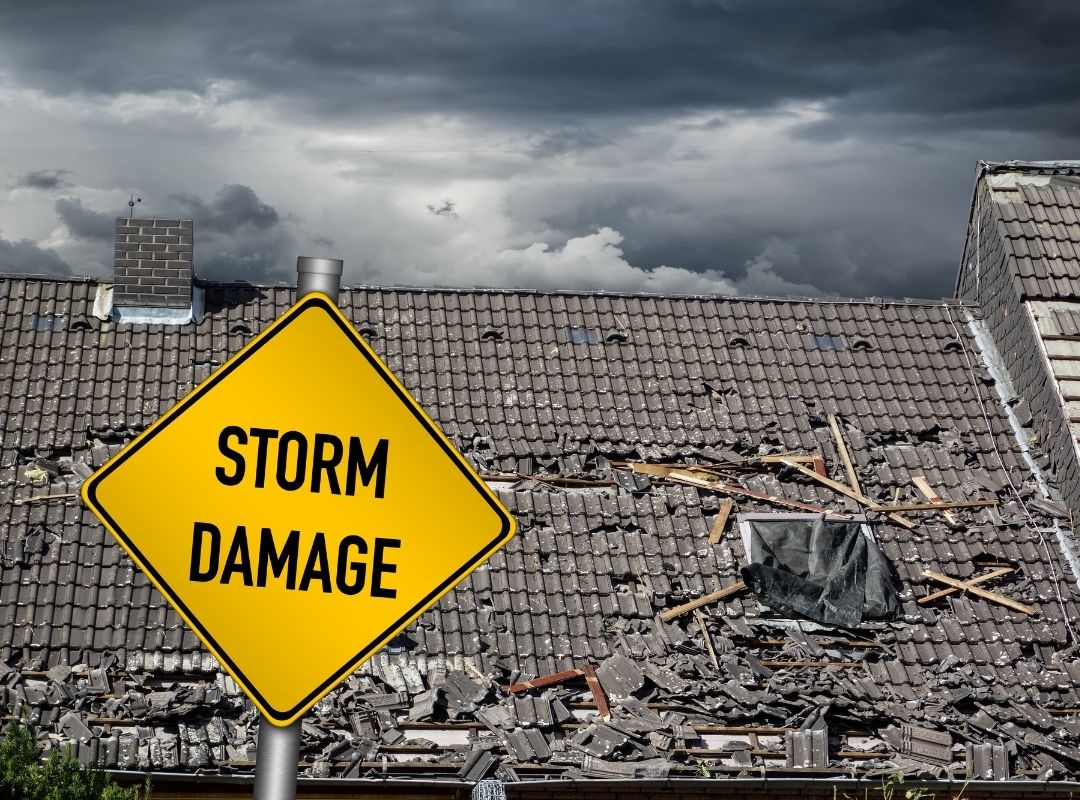
Home and business insurance claims rarely move in a straight line. After a fire in Mesa or a monsoon microburst in Tucson, the policy language that felt abstract at renewal becomes painfully specific. Deductibles bite, exclusions surface, and estimates drift. That gap between what you think the carrier owes and what they offer is where many Arizonans consider hiring a public adjuster. The price of that decision matters, not just as a fee percentage, but as a trade between risk, effort, and likely outcomes.
This piece lays out how public adjusters in Arizona typically charge, what the state allows and restricts, and where the numbers tend to land for common claim types. I’ll also walk through real world variables that change the math, including timing, complexity, and your own bandwidth.
What a public adjuster actually does, and why that shapes fees
Public adjusters represent policyholders, not insurers. They scope damage, read policy language from your side of the table, prepare and submit estimates, negotiate with the carrier’s adjusters or third party vendors, and manage ongoing documentation. Their work tends to center on valuation and coverage application rather than legal strategy. When the dispute becomes primarily a question of law or bad faith, attorneys step in, often on contingency plus costs.
The work overlaps with the carrier’s process, but from a different posture. Instead of accepting the insurer’s line-item list, a good public adjuster builds a competing estimate backed by pricing databases like Xactimate or Symbility, supplemented by specialty quotes for custom cabinetry, engineered flooring, stucco repair, or smoke remediation. They track additional living expense receipts, depreciation schedules, and code upgrade endorsements. All of that is time intensive and, for larger losses, technically demanding. The way fees are structured reflects that intensity.
Arizona’s regulatory framework and what it means for pricing
Arizona licenses public adjusters and requires written contracts that state the fee and key terms. The Arizona Department of Insurance and Financial Institutions sets conduct rules, conflict disclosures, and cancellation windows. While some states impose hard fee caps, Arizona’s approach focuses on fair dealing and clarity rather than a single percentage ceiling across the board. That flexibility means you’ll see a range of pricing methods, but also places the responsibility on the consumer to understand what they’re signing.
Two guardrails matter in practice:
- Fee agreements must be in writing and signed before or at the time services begin, and they must disclose how the fee is calculated. The percentage applies to the claim proceeds they help obtain, not to the replacement cost number in your policy jacket. You retain the right to cancel within a defined period, typically within a few days, and sometimes longer after a declared disaster. The exact window depends on contract language and state rule. If you decide within that window the fit isn’t right, you can walk without a fee, provided the contract complies and you act within the period.
Because the state leaves room for market pricing, the real cost emerges from local competition, claim type, and timing.
Common fee structures used in Arizona
Most public adjusters in Arizona use a contingency model, meaning they collect a percentage of the settlement or additional money they obtain. From working on claims around the Valley and northern Arizona, here’s what you’re likely to encounter:
- Standard contingency percentage. For new claims hired at the outset, the common range runs 8 to 12 percent of the total settlement for property damage portions. For small residential losses under roughly 100,000 dollars, 10 percent is a midpoint you’ll see often. Commercial claims with more complexity or a need for multiple experts can nudge higher. Supplemental-only engagement. If the insurer has already paid and you hire the adjuster to pursue a supplement, many will charge a higher percentage, such as 15 to 20 percent, but only on the additional dollars they bring in. You keep the original payment untouched. Tiered percentage by claim size. On a 40,000 dollar water loss, 10 percent equals 4,000 dollars, which aligns with the time investment. On a 1.2 million dollar commercial fire, the workload grows, but not linearly. Adjusters sometimes scale down as the claim grows, for example 10 percent on the first 250,000 dollars, 7 percent on the next 250,000, then 5 percent thereafter. These tiers are negotiable and should be clearly spelled out. Hourly or hybrid models. Less common, but you may see hourly rates for limited scope tasks, such as reviewing a carrier estimate and preparing a rebuttal without full representation. Rates tend to land between 150 and 300 dollars per hour, occasionally higher for niche expertise. Some adjusters pair a lower contingency with a small retainer to cover travel or specialized inspections.
Beware of flat fees for open-ended work. They’re rare, and for good reason. If pricing doesn’t scale with the outcome, incentives get misaligned. In Arizona’s market, flat fees usually appear only for a defined deliverable, such as a one-time estimate or policy review, not claim handling end to end.
What “percentage of what” really means
Confusion here creates bad blood later. A clean Arizona contract should define the base clearly. Three common bases exist:
- Total gross settlement, including recoverable depreciation and amounts paid directly to contractors or mortgagees. New money only, meaning the fee applies exclusively to additional amounts secured after the adjuster is hired. Segmented categories, where the percentage applies to Coverage A (dwelling/structure) and Coverage B (other structures), but excludes Additional Living Expense or contents, or applies a different percentage to those.
The most consumer friendly structure for a claim that’s already partially paid is to pay the percentage only on the new money. If you are hiring at the very beginning, a percentage of the total settlement is more typical and easier to administer. Either way, the base should be unmistakable in writing.
Typical costs by claim type in Arizona
Arizona’s loss landscape has patterns. Monsoon microbursts drive wind and water claims. In the high country and the urban-wildland edges around places like Cave Creek, fires bring smoke and soot that permeate attics and HVAC systems. Here is how costs tend to line up, with conservative ranges pulled from actual engagements and market quotes.
Small to mid-sized residential water losses. Kitchen supply line failures, shower pans, and slab leaks that lead to 25,000 to 80,000 dollars in damage. Expect 8 to 12 percent contingency if you hire at the start. If the carrier already paid 40,000 and you bring a public adjuster to seek a supplement for code upgrades and realistic labor costs, 15 to 20 percent on the extra 10,000 to 40,000 is common.
Wind and roof claims with interior damage. Arizona roof claims live in a gray zone between repair and replacement. Carriers may propose patching half a slope, while tile availability, underlayment condition, and match issues point to a full tear off. For a 35,000 to 120,000 dollar residential roof and interior package, the same 8 to 12 percent range applies at the outset. Tiering sometimes kicks in above 100,000.
Fire and smoke claims. Even a “small” kitchen fire becomes large once you test for soot particulate and clean or replace HVAC. Structure plus contents and ALE quickly crosses 150,000 dollars. Many public adjusters scale to 7 to 10 percent on larger structural portions and use a different percentage or a fixed set of tasks for contents inventory. When the combined claim exceeds 500,000, tiered percentages are worth negotiating.
Commercial losses. Restaurants, warehouses, multiunit rentals, and offices require business interruption calculations alongside build back estimates. Contingency percentages start near 10 percent but often step down at agreed thresholds. If forensic accounting for lost profits is required, expect an outside CPA or firm cost on top, usually billed hourly or as a small percentage of the time element recovery.
Catastrophe surges. After a major event, capacity gets tight. During the most active monsoon seasons or following a regional wildfire, some adjusters raise rates a few points due to workload and increased subcontracting. Availability may matter more than price if the carrier is moving fast and you need a counterweight on site.
How expenses and third parties affect the bottom line
The contingency fee pays for the adjuster’s time, but certain costs fall outside that number. Your contract should explain which expenses are included and which pass through. Common items:
- Expert reports. Engineers for roof damage causation, hygienists for mold or soot, or moisture mapping beyond basic meters. Expect 500 to 3,000 dollars per report in routine cases, more for complex structural workups. Estimating software or price list upgrades. Many adjusters absorb Xactimate costs internally, but if specialty pricing or a third party estimator is used, you might see a line item. Travel and lodging. Rare for metro Phoenix or Tucson claims, but possible in rural counties or for multi-day inspections far from home base. Contents inventory services. Cataloging and pricing contents can run 1,500 to 10,000 dollars depending on scope. Some adjusters have in-house teams, others refer to vendors.
Clarify whether these costs are deducted from your recovery before or after the contingency percentage is calculated. A fair and common approach: apply the adjuster’s percentage to the gross recovery, then deduct third party expenses from your net. Another fair approach: deduct vendor costs first, then apply the percentage to the remaining proceeds. Either is acceptable if disclosed and consistent.
Timing changes the economics
The earlier a public adjuster joins, the more control they have over scope and documentation. That usually means a lower percentage, since they are not trying to unwind an entrenched carrier position. Showing up late has trade-offs.
When you hire late, the adjuster often faces a file where the carrier’s facts already hardened. The initial estimate anchored low, photographs favor limited damage, and missing receipts cut ALE. Building a counter-record takes more effort and risk. Many adjusters charge higher percentages for supplement-only work to reflect that uphill push. If the original payment was 60,000 and a skilled adjuster adds 25,000 in supplemental coverage and code upgrades, 20 percent of that 25,000 equals 5,000. If you hired at the very beginning for 10 percent on the total eventual 85,000, the fee would have been 8,500. In that example, hiring early would cost more in absolute dollars, but might also have produced a larger total. This is where judgment matters. If the carrier’s first offer obviously missed big items, supplement-only could be enough. If the loss is large with many moving parts, early representation tends to pay for itself in avoided missteps.
What a percentage buys in practical terms
The best adjusters do more than argue numbers. They design a claim strategy around what your policy will realistically support and what the property actually needs to be whole. Here is what that often looks like in Arizona’s context:
- Roof and exterior. They document tile salvage percentages, underlayment age, and code requirements for ice and water shield in certain elevations, even if rarely enforced. They collect tile manufacturer data to support a matching argument under your policy’s language, not generic fairness pleas. Interior and finishes. For water losses, they pull baseboards to verify wicking, use calibrated moisture meters, and photograph the readings. They lean on local pricing for drywall and texture that reflects Arizona’s common finishes, including heavy knockdown and skip trowel, which carry higher labor times than smooth walls. HVAC and smoke. They push for NADCA-standard cleaning and, where particulate testing fails, replacement of affected components. They tie those recommendations to specific policy provisions, avoiding the common trap of “preferred pricing” vendor quotes that understate necessary steps. ALE and business interruption. They build narratives with receipts and calendars. For example, a family in Gilbert moving to a short-term rental during extensive remediation should have mileage, meal differentials, and utility duplication tracked. Restaurants facing smoke contamination need sales histories, vendor invoices, reservation logs, and seasonality adjustments. A good adjuster collects first, argues second.
When this work is done well, the carrier has a credible, complete package to answer. The fee funds that package.
Negotiating the fee without poisoning the relationship
Fee conversations set the tone. You want the adjuster motivated, not resentful. Quality adjusters have enough demand to walk from awkward deals, especially during busy seasons. There is room to negotiate, but do it on terms that respect the work.
A few levers usually land well:
- Tiering by thresholds. Agree that the first slice of recovery carries the standard percentage, then step down. This acknowledges workload concentration early. Clear segmentation. If you are comfortable handling contents or ALE yourself, exclude those categories and pay only for structure. Make sure the adjuster is actually comfortable with this split, since categories interact. Results-based supplements. On a claim already paid, accept a higher percentage, but only on the new money. Ask for a short, defined scope so you can revisit if the file expands. Expense discipline. Cap discretionary vendor spend unless you approve it. Serious adjusters won’t burn vendor budgets without a reasoned plan.
You can also ask for references for similar claim sizes and types. In Arizona’s tight-knit communities, a reputable adjuster should have past clients willing to share their experience.
Situations where an attorney or contractor might be a better first call
Public adjusters are not a cure-all. Certain situations point in other directions.
Legal disputes. If the insurer denies coverage based on exclusions or alleges misrepresentation, a lawyer becomes central. Public adjusters can’t practice law. In Arizona, a typical path is to let a public adjuster build the record if valuation is the core issue, then bring in counsel if the carrier digs in on coverage or unfair claims practices. Attorneys often work on contingent fees around a third, but that applies to the portion they recover through litigation. Some cases use a hybrid with a lower attorney percentage when a public adjuster has already advanced the valuation work.
Contractor-driven repairs. For small, clear-cut losses with a cooperative carrier, a capable contractor who understands insurance pricing can carry you across the finish line without a public adjuster. If the contractor uses the same estimating platforms and handles supplements, you may save the contingency fee, though contractors have their own profit needs and sometimes push for assignment-of-benefits contracts you should review carefully.
Self-representation with targeted consulting. If you enjoy detail work and have time, you can often negotiate a fair settlement on a mid-sized claim by studying your policy, documenting thoroughly, and pushing back on obvious gaps. Hiring a public adjuster for a limited review can sharpen your strategy without full representation. The trade-off is time and uncertainty.
Dollar examples that show the math
Concrete math helps. Consider three Arizona scenarios.
A 60,000 dollar water loss in Chandler. You hire at the outset on a 10 percent contingency. The public adjuster documents under-cabinet damage, continuous flooring, matching and code items, and secures a total settlement of 72,000. Fee equals 7,200. Without the adjuster, the initial 60,000 might have stood or grown by a few thousand after piecemeal supplements. If the adjuster’s work yielded an extra 12,000 beyond what you could have achieved with effort, the net gain after fees is still positive.
A partially paid roof claim in Peoria. Carrier pays 18,000 for repair. You hire a public adjuster on 18 percent, new money only. They secure a full replacement with code-compliant underlayment for a total of 36,000. The extra 18,000 is subject to the fee, which is 3,240. Your net increase is 14,760 over the original offer. Because this was a focused supplement, the higher percentage reflects the adjuster’s leverage and faster path Public Adjuster to the decisive change.
A commercial smoke loss in Flagstaff. A 400,000 initial payment covers partial cleaning and limited build back. You hire a public adjuster who brings in a hygienist and a forensic accountant. Together they secure an additional 350,000 across structure and business interruption. The fee is tiered: 8 percent on the first 250,000 of new money, 6 percent on the next 100,000. That equals 20,000 plus 6,000, or 26,000. Vendor costs total 9,500. Depending on the contract, either 26,000 is calculated on the gross 350,000 then you pay the 9,500, or the vendor costs are netted first. Either way, the net uplift is substantial relative to the fee.
These examples aren’t promises. They illustrate why the percentage alone doesn’t tell the whole story. The adjuster’s ability to change the scope matters more than the nominal rate.
Red flags that raise the real cost beyond the fee
I’ve seen inexpensive contracts become costly through poor execution. A few warning signs:
- Vague scopes. If the adjuster can’t explain how they’ll approach your roof type, flooring continuity, or smoke track, the percentage doesn’t matter. You’ll be managing them. Pressure to sign immediately without reviewing your policy. Arizona requires clear contracts. A pro will walk you through the base, the categories, and the cancellation window. Overpromising. If the adjuster guarantees a number before seeing the property, be cautious. They should describe a process, not a destiny. Ownership or referral conflicts. Ask if they receive compensation from contractors or vendors. Your adjuster should be vendor neutral or fully transparent about relationships.
The cheapest percentage often comes with the lightest lift, and light lifts rarely move insurers.
Practical steps to keep your fee well spent
Good outcomes follow good records. Even with a skilled adjuster, you can help in ways that reduce costly friction.
- Save receipts and keep a simple ledger for additional living expenses. Note dates, amounts, and what the expense replaced or duplicated. Photograph every stage: initial damage, mitigation in place, demolition, and drying readings. Ask your mitigation company for their moisture logs and equipment lists. Pull permits and code citations early. On roofs, underlayment requirements and tile availability become decisive. Share your policy and endorsements in full, not just the declarations page. Ordinance and law coverage, matching endorsements, and sublimits for mold or sewer backup change strategy.
When you participate like this, your adjuster spends time on high value work instead of chasing basic documentation. That usually translates to a faster, stronger settlement without additional third party costs.
How Arizona’s property market nudges costs
Two Arizona specifics shape claim economics. First, building costs surged in the past few years, and while some materials have eased, skilled labor in the trades remains tight. Estimates drafted on stale price lists understate true replacement cost. A competent adjuster insists on current, local pricing and can explain variance from the carrier’s default lists.
Second, roof systems vary widely across the state. Concrete and clay tile dominate many subdivisions, with underlayment life that often matches claim cycles. Modified bitumen and foam roofs show up on flat sections, common in Phoenix and Scottsdale. Match issues on tile and adhesion or UV aging on foam lead to disputes that hinge on nuanced inspection notes. Adjusters experienced with local roof assemblies typically outperform generalists, and those results justify their fee.
The bottom line on cost, value, and fit
For most Arizona property claims, hiring a public adjuster at the beginning costs roughly 8 to 12 percent of the total settlement, commonly near 10 percent for residential losses. For supplement-only work after an initial payment, expect 15 to 20 percent on the additional dollars, with room for negotiation on tiers and categories. Large or complex claims often use a blended or tiered structure that steps down as the numbers climb. Vendor expenses may be extra, and you should approve them in advance.
If your claim is small, straightforward, and your carrier is responsive, you may not need a public adjuster. If the loss is mid to large, involves complex building assemblies, or your time is scarce, a capable adjuster frequently pays for themselves through fuller scoping, better documentation, and steadier negotiation. The price of the fee must be weighed against the cost of missed items, underpriced labor, and your own hours.
Spend more time on the who than the percentage. Interview at least two adjusters. Ask how they handled a recent roof match dispute in Glendale or a smoke claim with contents in Prescott. Request a sample estimate and a list of expected third party costs. Confirm what the percentage applies to and whether it tiered. Then pick the professional who sees your property clearly and explains their path with specifics. In claims work, clarity is currency, and in Arizona’s market, that usually buys more than it costs.
Select Adjusters LLC
2152 S Vineyard #136, Mesa, AZ 85210
+1 (888) 275-3752
[email protected]
Website: https://www.selectadjusters.com